Sticky Glazed Gochujang Chicken Wings
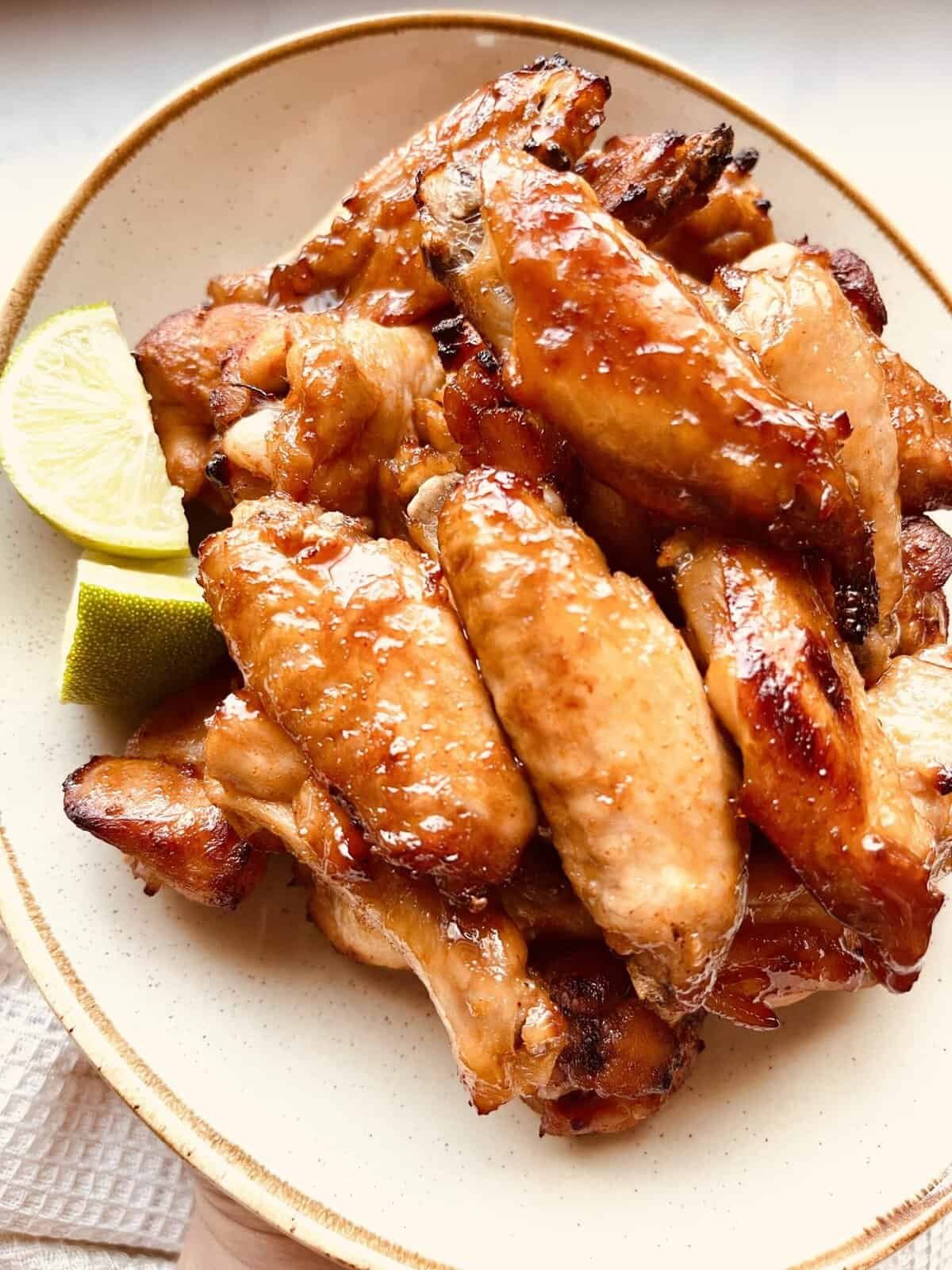
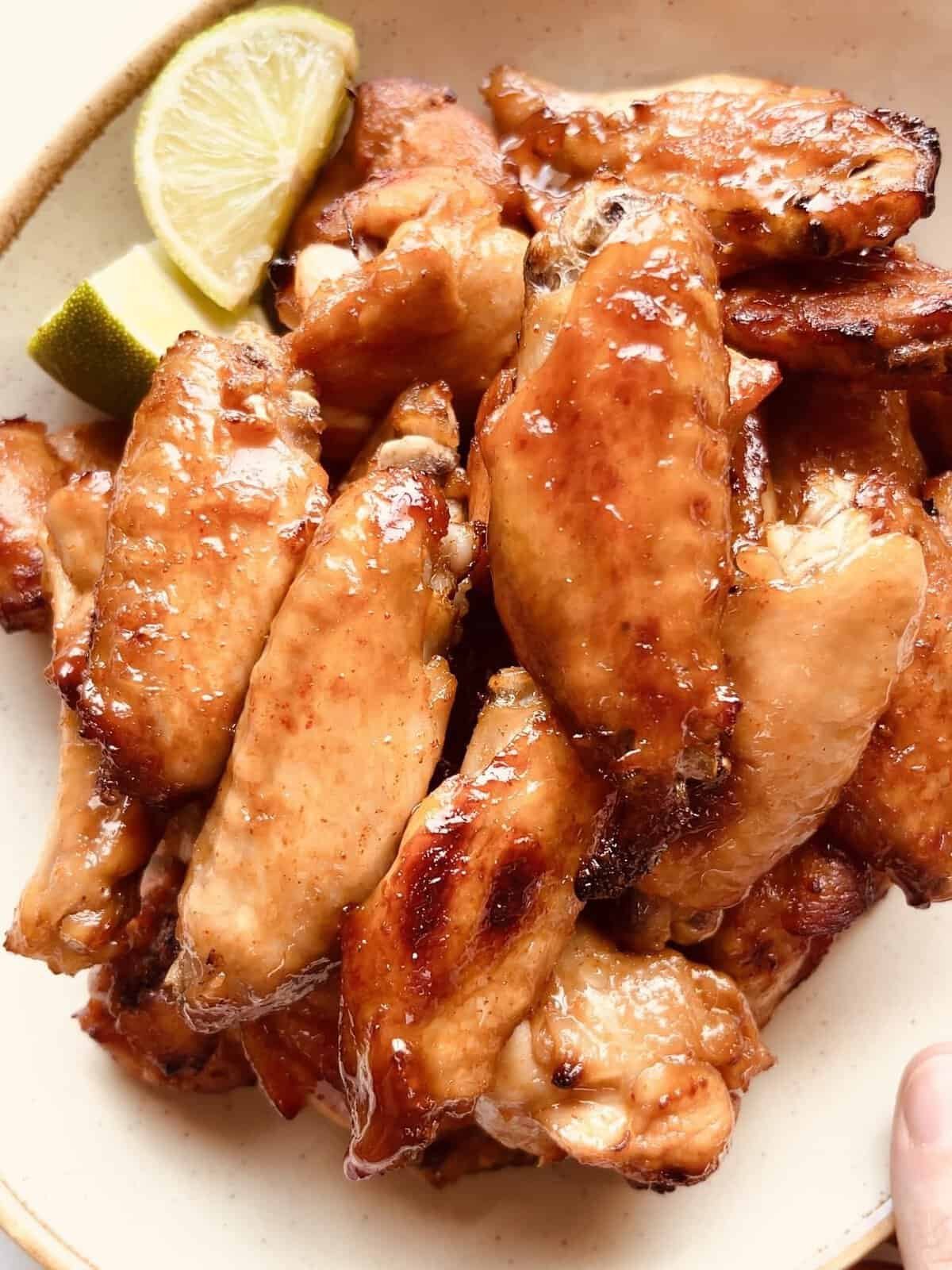
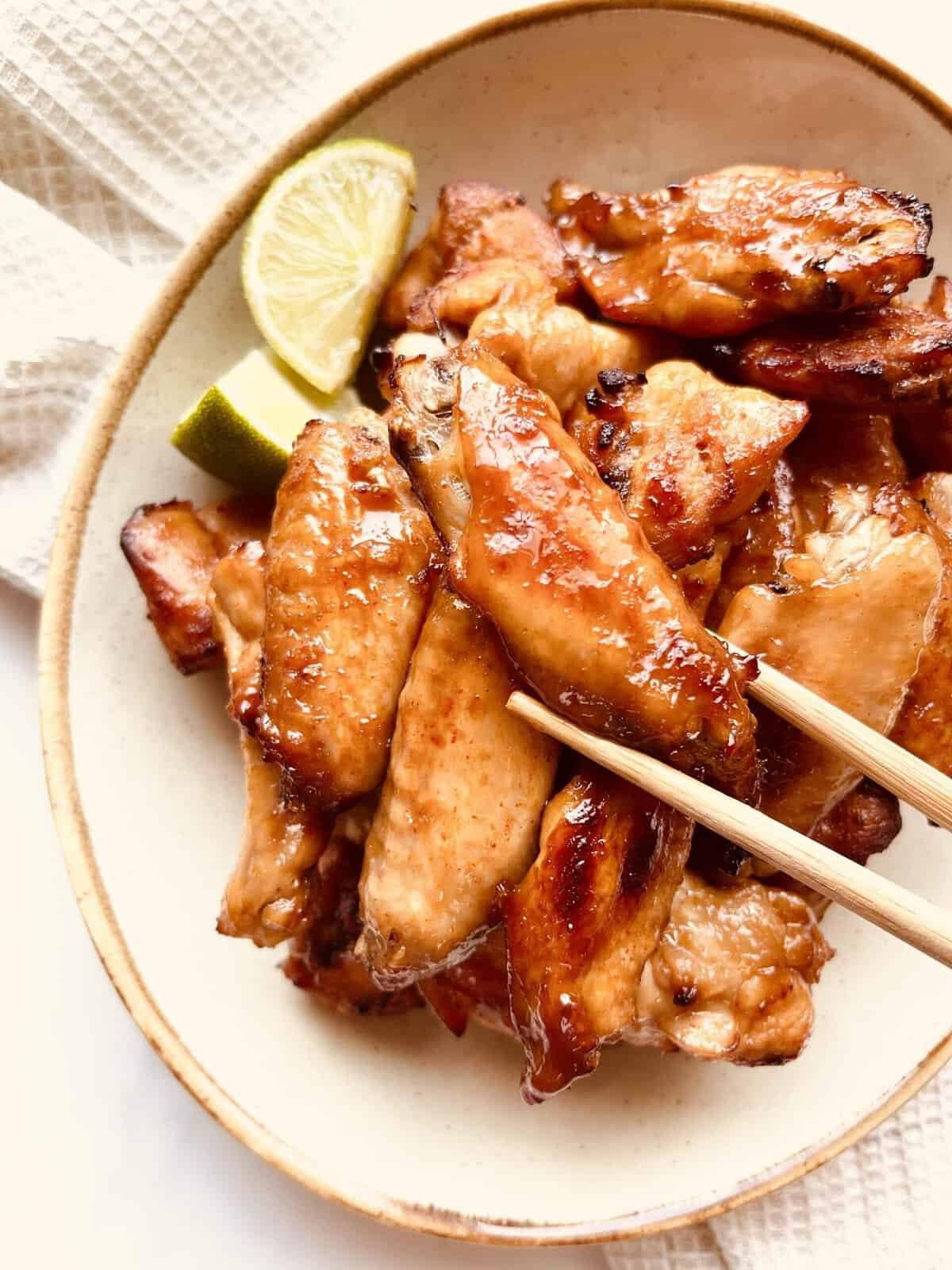
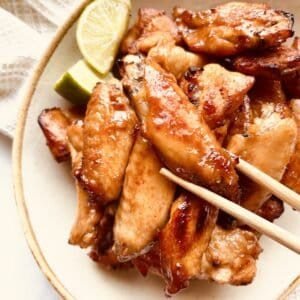
Sticky gochujang chicken wings are crispy baked wings coated in a sweet, spicy, and savory Korean-inspired glaze. They are bold, addictive, and incredibly easy to make at home using simple pantry ingredients.
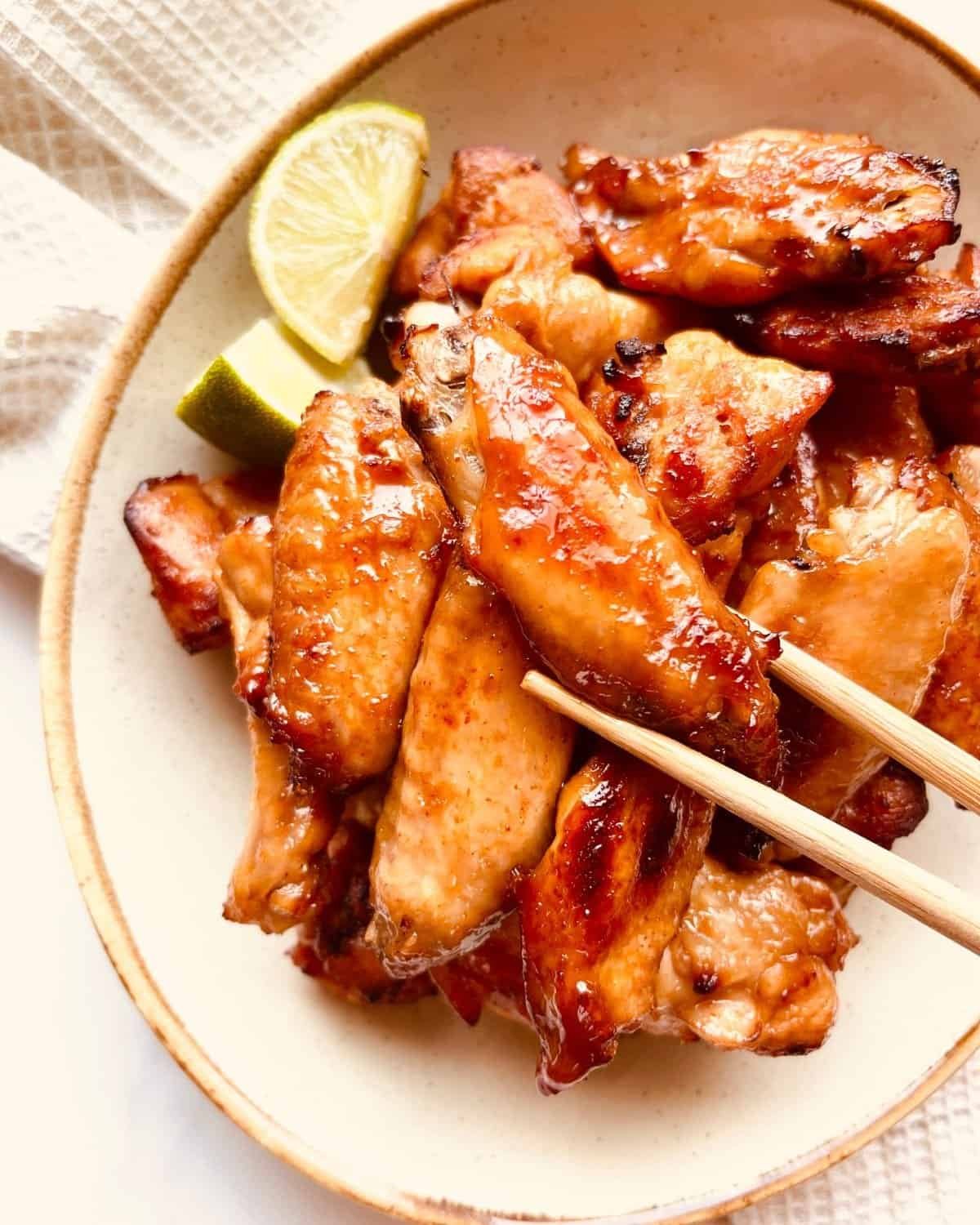
I’m always amazed at how much flavor gochujang brings to these wings. It adds a deep, rich heat that’s balanced with just the right amount of sweetness, creating that irresistible sweet-spicy combo. This is my go-to when I want something different from the usual chicken recipes but still quick and easy to make. This recipe has that perfect balance of sweet, spicy, and savory, similar to the bold flavors in my Juicy Air Fryer Chicken Shawarma.
We love going out for Korean BBQ, but these wings have become our favorite way to bring those flavors home. They’re fun, messy in the best way, and perfect for a cozy night in. I usually serve them with some fresh sliced veggies on the side, and it instantly feels like a complete, satisfying meal without ever leaving the house.
If you love bold, flavorful marinades like this, check out my Ultimate Chicken Marinade Guide for more easy ideas.
Jump To:
What Is Gochujang?
Gochujang (고추장) is a thick Korean chili paste made from fermented soybeans, red chili powder, and rice. It has a rich flavor that is slightly spicy, a little sweet, and very savory.
It is not just a hot sauce. When cooked, it thickens into a sticky glaze that coats the wings and caramelizes beautifully. If you have never used it before, this is a great recipe to start with.
In this recipe, it’s what gives these wings that bold, sweet-spicy Korean BBQ-style flavor that makes them so addictive.
Ingredients
- Chicken Wings
- Soy Sauce
- Rice Vinegar
- Rice Syrup
- Brown Sugar
- Gochujang
- Hoisin Sauce
- Sesame Oil
- Fresh Garlic
- Fresh Ginger
See recipe card for quantities…
Instructions
1. Prepare the Chicken:
- Pat the chicken wings dry with paper towels.
2. Make the Marinade:
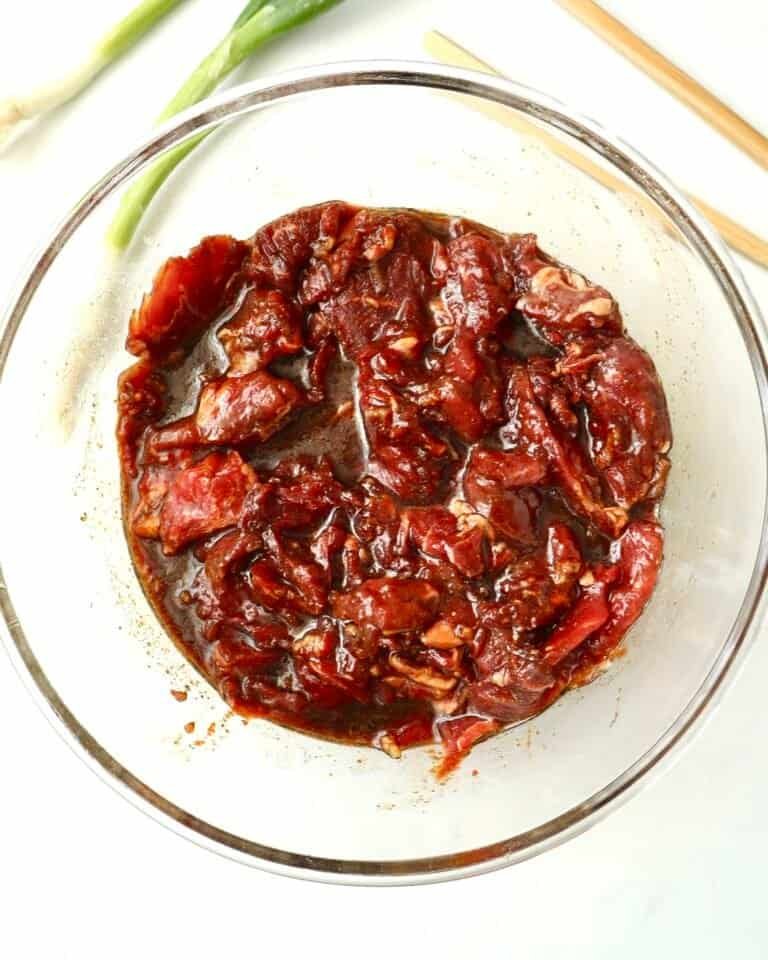
- In a medium bowl, whisk together the soy sauce, rice syrup, brown sugar, gochujang, rice vinegar, hoisin sauce, sesame oil, garlic, and ginger until smooth.
3. Marinate the Wings:
- Add them to a large bowl or bag and pour the marinade over the wings. Toss to coat evenly. Cover and refrigerate for at least 1 hour (or overnight for deeper flavor).
4. Cook the Chicken:
- Oven Method. Preheat the oven to 400°F and line a baking sheet with parchment paper or place a wire rack over a baking sheet. Arrange the wings in a single layer and bake for 35–40 minutes, flipping halfway through, until golden and caramelized.
- Air Fryer Method. Preheat the air fryer to 375°F. Place the wings in the air fryer basket in a single layer, working in batches if needed. Cook for 18–22 minutes, shaking the basket halfway through, until the wings are crispy and fully cooked.
5. Extra Sauce:
- Pour the leftover marinade into a small saucepan and simmer over medium heat for 3–5 minutes until slightly thickened.
- Toss the cooked wings in the thickened sauce, return them to the baking sheet, and bake for 3–5 more minutes until sticky and caramelized.
6. Rest and Serve:
- Remove from the oven and let the wings rest for 5 minutes. Garnish with sesame seeds and sliced green onions before serving.
Scroll all the way down for the full recipe card!
Substitutions
Chicken Wings: Chicken drumsticks or boneless chicken thighs (adjust cooking time). You can also use cauliflower for a vegetarian option
Soy Sauce: Tamari or coconut aminos
Rice Vinegar: Apple cider vinegar or lime juice
Rice Syrup: Honey or maple syrup
Brown Sugar: White sugar or honey
Gochujang: Sriracha mixed with a little miso paste or chili garlic sauce
Hoisin Sauce: Teriyaki sauce or oyster sauce
Sesame Oil: Olive oil or avocado oil
Fresh Garlic: Garlic powder (¼ tsp per clove)
Fresh Ginger: Ground ginger or ginger paste
Equipment
- Baking Sheet
- Wire Rack (optional)
- Mixing Bowl
- Small Saucepan
- Tongs
- Measuring Cups and Spoons
- Knife and Cutting Board
- Parchment Paper or Foil (optional)
Storage
These gochujang chicken wings are best enjoyed fresh out of the oven while they’re still crispy and coated in that glossy, flavorful glaze. If you do have leftovers, let them cool completely, then store them in an airtight container and refrigerate within a couple of hours. They will keep well for up to 3 days.
To reheat, bake them in the oven or air fryer at 350°F until heated through and slightly crisp again. You can also use the microwave if you’re short on time, but the wings will be softer. Either way, they’ll still be packed with that sweet, spicy gochujang flavor.
Recipe Tips
FAQ
Can I make these in the air fryer?
Yes, you can bake or air fry these wings, just like I do in my Ultimate Chicken Marinade Guide for perfectly cooked chicken every time. In the air fryer, cook them at 400°F for about 18 to 22 minutes, flipping halfway through.
How spicy is gochujang?
Gochujang has a mild to medium level of spice. It is more balanced than very hot. It also has a slightly sweet and savory flavor. If you prefer less heat, you can use a smaller amount or add a little extra honey to the sauce.
Can I Substitute gochujang?
You can substitute it if needed, but the flavor will be different. A simple option is to mix sriracha, a little soy sauce or miso paste, and some honey. This gives a similar sweet and spicy taste, but gochujang will always give the best flavor.
Can I make these ahead of time?
Yes, you can make the wings ahead of time. Store them in the fridge for up to 3 days after cooking. When ready to eat, reheat them in the oven or air fryer until crispy again. Add the sauce right before serving for the best texture.
How To Get Extra Crispy Wings
Related
Pairing
I love serving these gochujang chicken wings with simple sides that balance out the sweet and spicy glaze. Steamed rice is always my go-to because it soaks up all that sticky sauce perfectly. A light slaw or fresh cucumber salad also works really well to cool things down.
For a more casual spread, I’ll often add sliced veggies, extra dipping sauce, and turn it into a fun sharing plate. These gochujang chicken wings are great on their own or served as part of a bigger spread with recipes like my Soy Garlic Chicken or Honey Garlic Chicken for a full Asian-inspired dinner night.
Sticky Glazed Gochujang Chicken Wings
Ingredients
- 2 pounds chicken wings, split and tips removed
- ⅓ cup low-sodium soy sauce
- 1 tbsp rice vinegar
- 1½ tbsp rice syrup
- 1 tbsp brown sugar
- 1 tbsp gochujang
- 1 tbsp hoisin sauce
- 1 tsp sesame oil
- 3 cloves garlic finely minced
- 1 tbsp fresh ginger grated
Instructions
- In a medium bowl, whisk together the soy sauce, rice syrup, brown sugar, gochujang, rice vinegar, hoisin sauce, sesame oil, garlic, and ginger until smooth.
- Pat the chicken wings dry with paper towels. Add them to a large bowl or bag and pour the marinade over the wings. Toss to coat evenly. Cover and refrigerate for at least 1 hour, or up to 4 hours for deeper flavor.
- Oven Method. Preheat the oven to 400°F and line a baking sheet with parchment paper or place a wire rack over a baking sheet. Arrange the wings in a single layer and bake for 35–40 minutes, flipping halfway through, until golden and caramelized.
- Air Fryer Method. Preheat the air fryer to 375°F. Place the wings in the air fryer basket in a single layer, working in batches if needed. Cook for 18–22 minutes, shaking the basket halfway through, until the wings are crispy and fully cooked.
- Pour the leftover marinade into a small saucepan and simmer over medium heat for 3–5 minutes until slightly thickened.
- Toss the cooked wings in the thickened sauce, return them to the baking sheet, and bake for 3–5 more minutes until sticky and caramelized.
- Remove from the oven and let the wings rest for 5 minutes. Garnish with sesame seeds and sliced green onions before serving.
Notes
Food Safety
- Don’t leave chicken or marinade out for more than 1–2 hours.
- Cook chicken to 74°C (165°F) using a Meat Thermometer.
- Don’t reuse raw marinade unless boiled first.
- Wash hands, knives, and cutting boards after handling raw chicken.
Follow safe storage and handling tips from USDA.