Korean Beef Bulgogi Rice Bowls
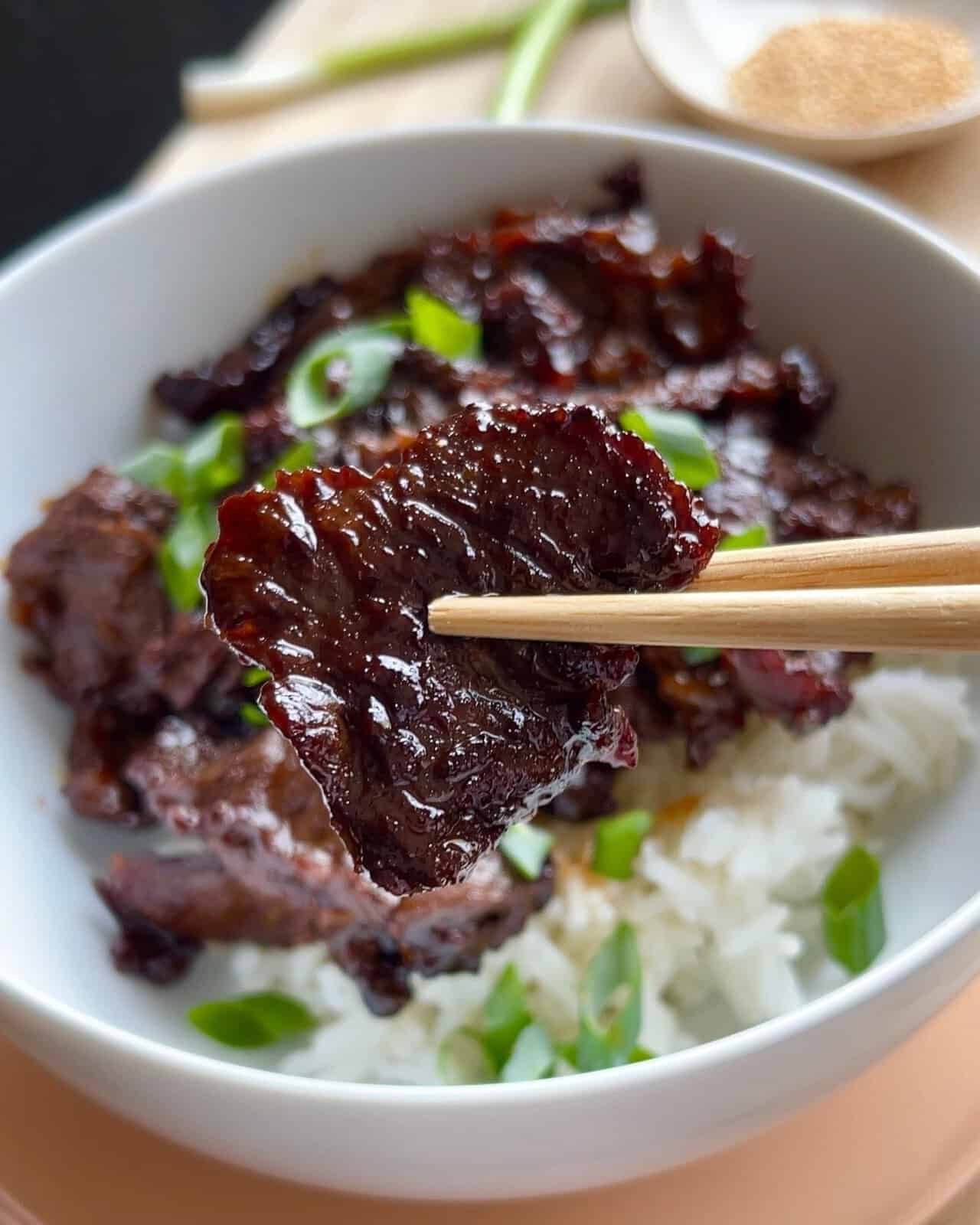
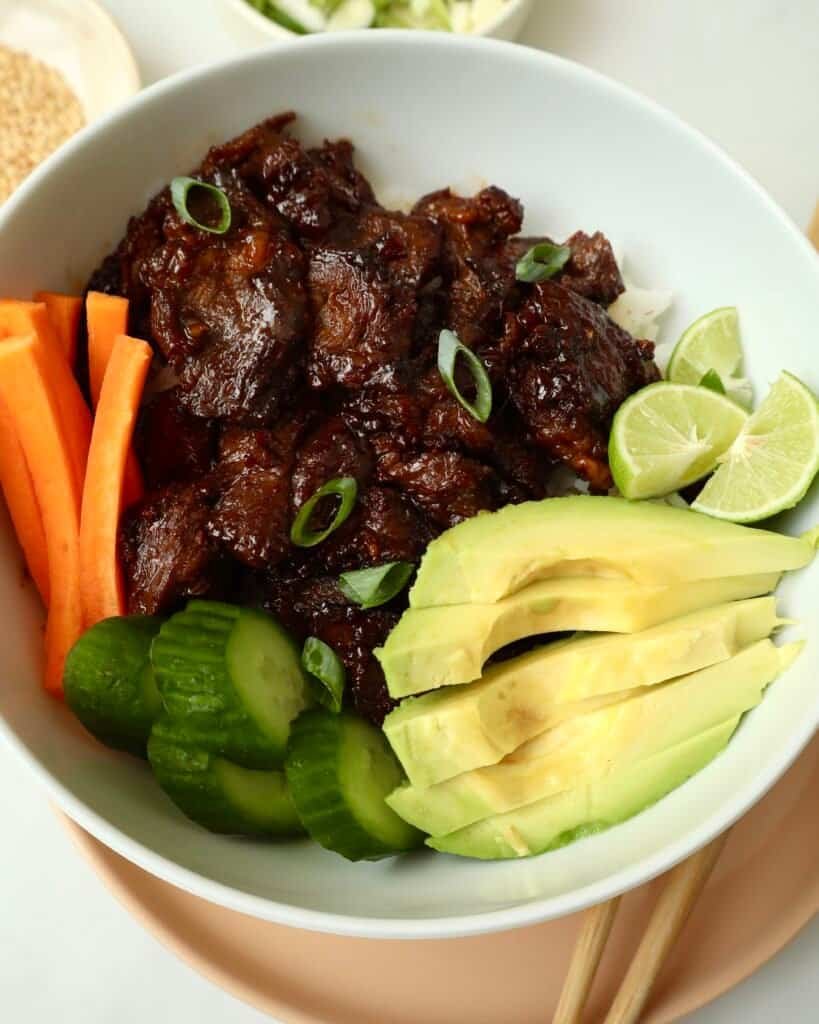
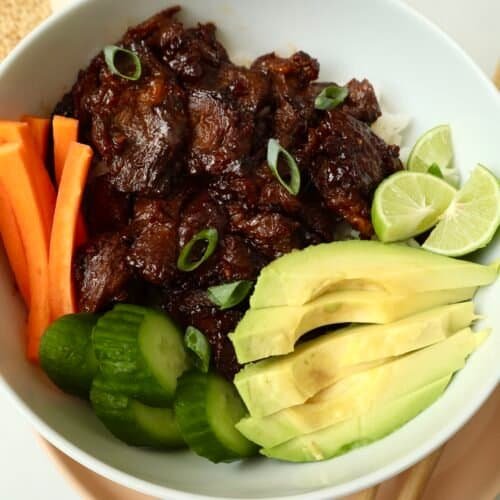
This Korean Beef Bulgogi Rice Bowl is sweet, savory, spicy, and ridiculously flavorful. Thin slices of beef get marinated in a rich Korean BBQ sauce made with soy sauce, garlic, sesame oil, pear, and gochujang, then cooked until caramelized and glossy before being served over fluffy rice with your favorite toppings.
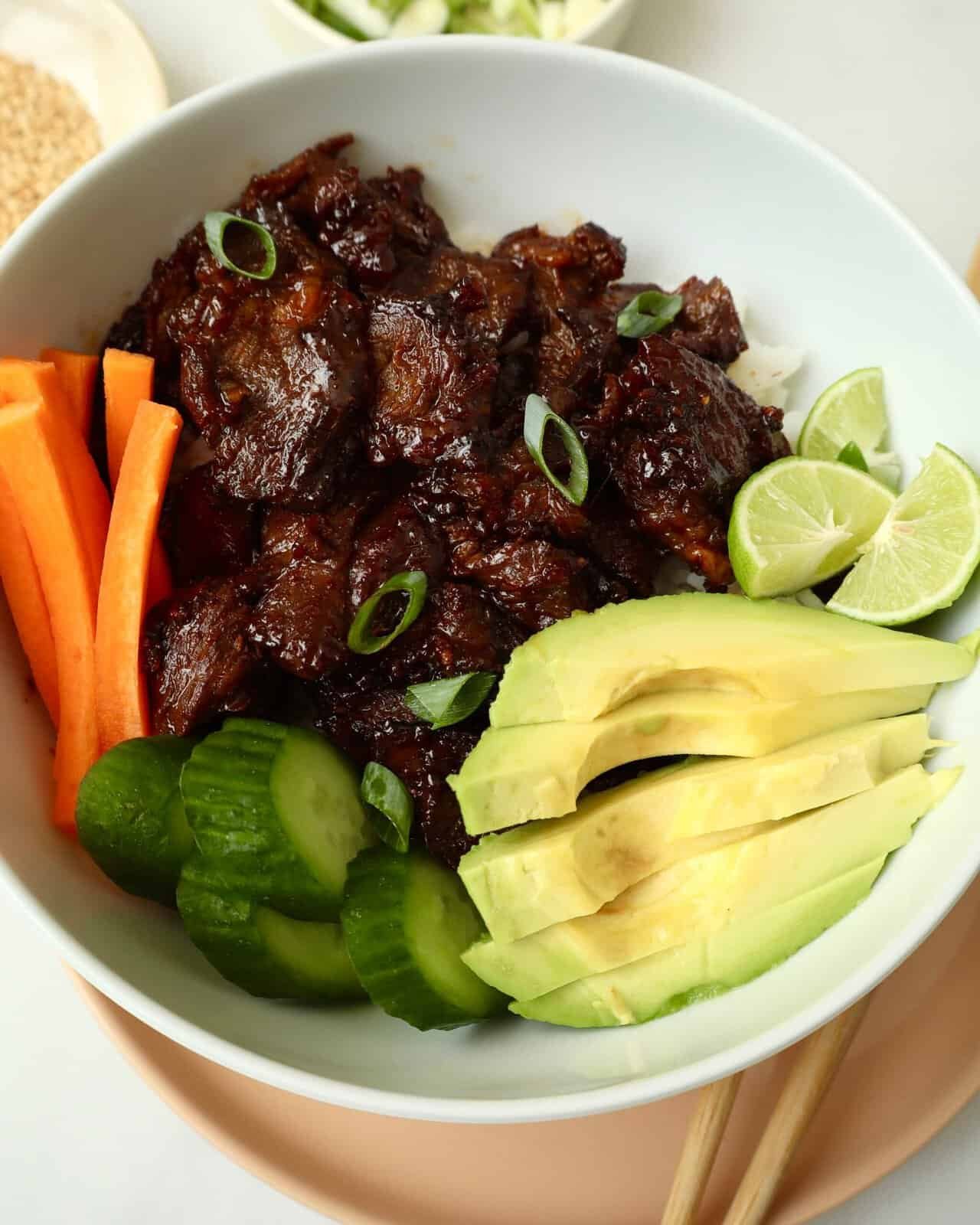
It’s an easy Korean Beef Bulgogi Rice Bowl recipe that tastes like restaurant-quality Korean BBQ but comes together fast at home and is perfect for busy weeknight dinners or meal prep.
Why You’ll Love This Korean Beef Bulgogi Rice Bowl
This is one of those recipes you’ll keep coming back to. Here are some reasons why this rice bowl will become your new favorite…
- You get authentic Korean BBQ flavor right at home
- The sweet, spicy, sticky marinade caramelizes beautifully
- It’s easy to customize with toppings and veggies
- It’s perfect for meal prep and easy lunches
- You can have it ready in under 30 minutes (after marinating)
- It’s way better and cheaper than takeout

A Korean Beef Bulgogi Rice Bowl are so flavorful, satisfying, and one of the easiest weeknight dinners you can make!
What is a Korean Beef Bulgogi Rice Bowl?
A Korean Beef Bulgogi Rice Bowl is a simple meal made with steamed rice topped with Korean-style marinated beef and fresh toppings.
Bulgogi (불고기) literally means “fire meat” in Korean cuisine and refers to thinly sliced beef marinated in soy sauce, sugar, garlic, sesame oil, and fruit like pear or apple. The fruit naturally tenderizes the meat while adding sweetness and flavor.
In this version, the bulgogi is served over rice to make it a complete meal, and I add gochujang (Korean chili paste) for a spicy twist.
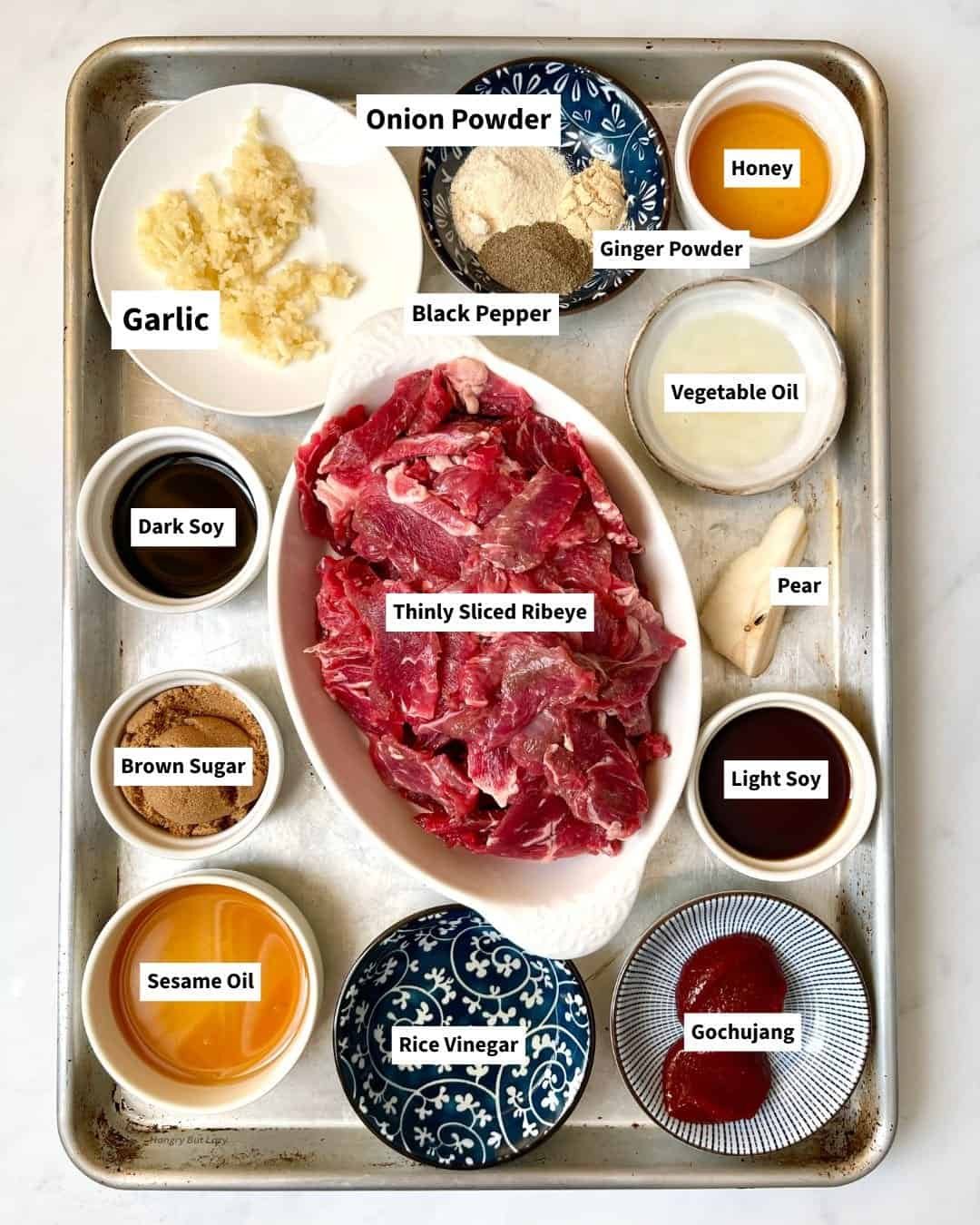
Ingredients
FOR THE KOREAN BEEF BULGOGI:
FOR THE RICE BOWL:
- Cooked jasmine rice or basmati rice (from 2 cups uncooked rice)
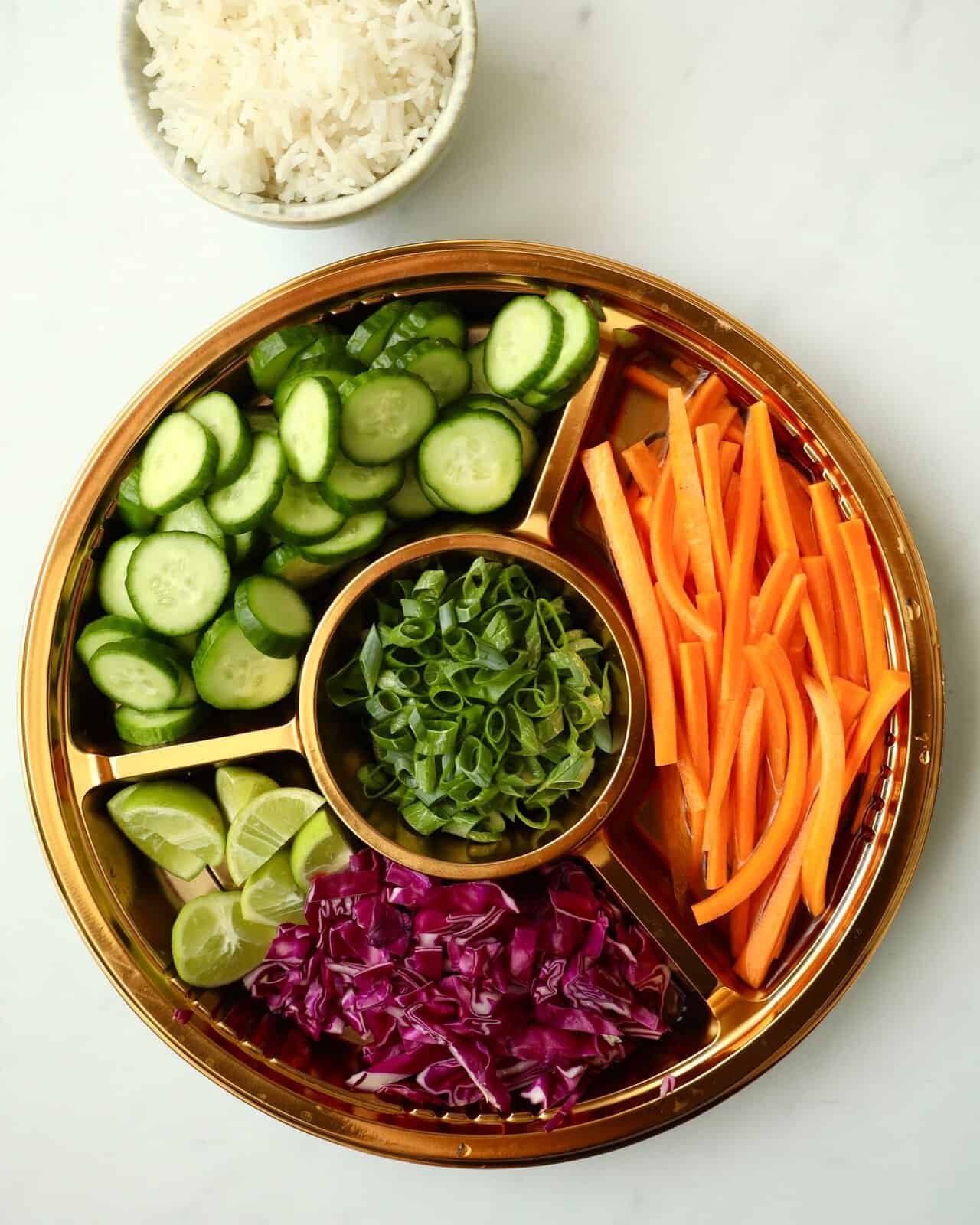
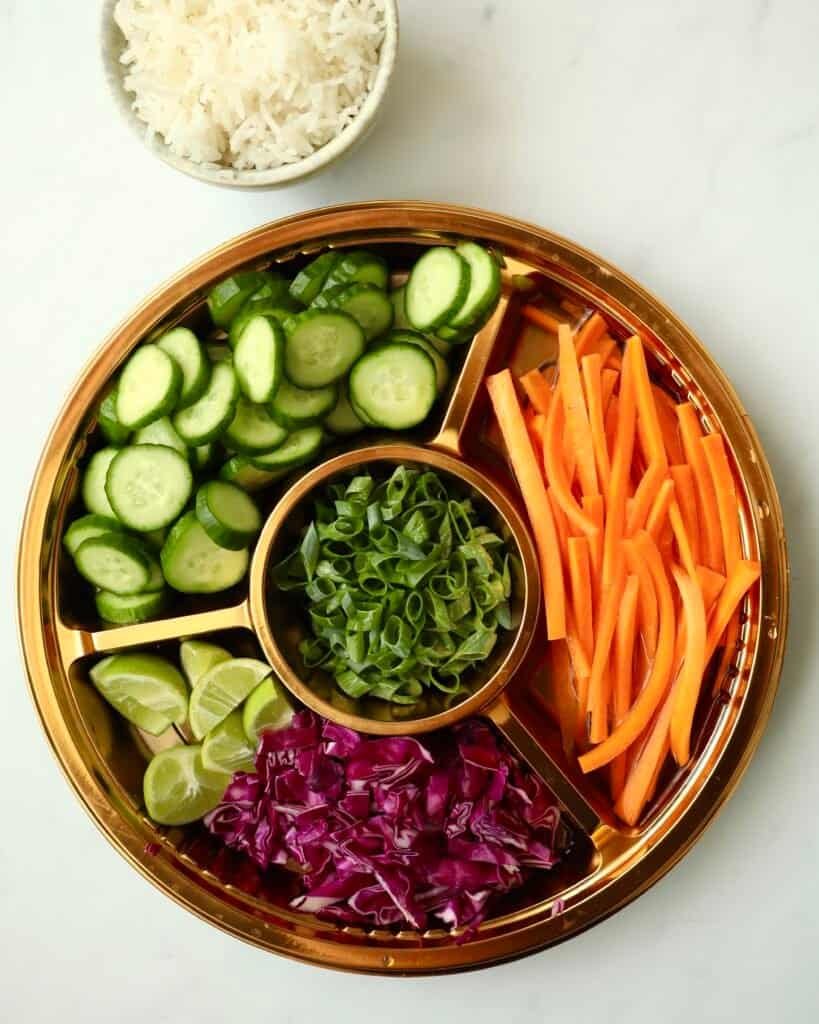
- Fresh Toppings: Sliced Cucumbers, Shredded Carrots, Avocado, Kimchi, Green Onions, Sesame Seeds
- Spicy Mayo or Extra Gochujang Sauce (optional)
Instructions
1. Make the marinade
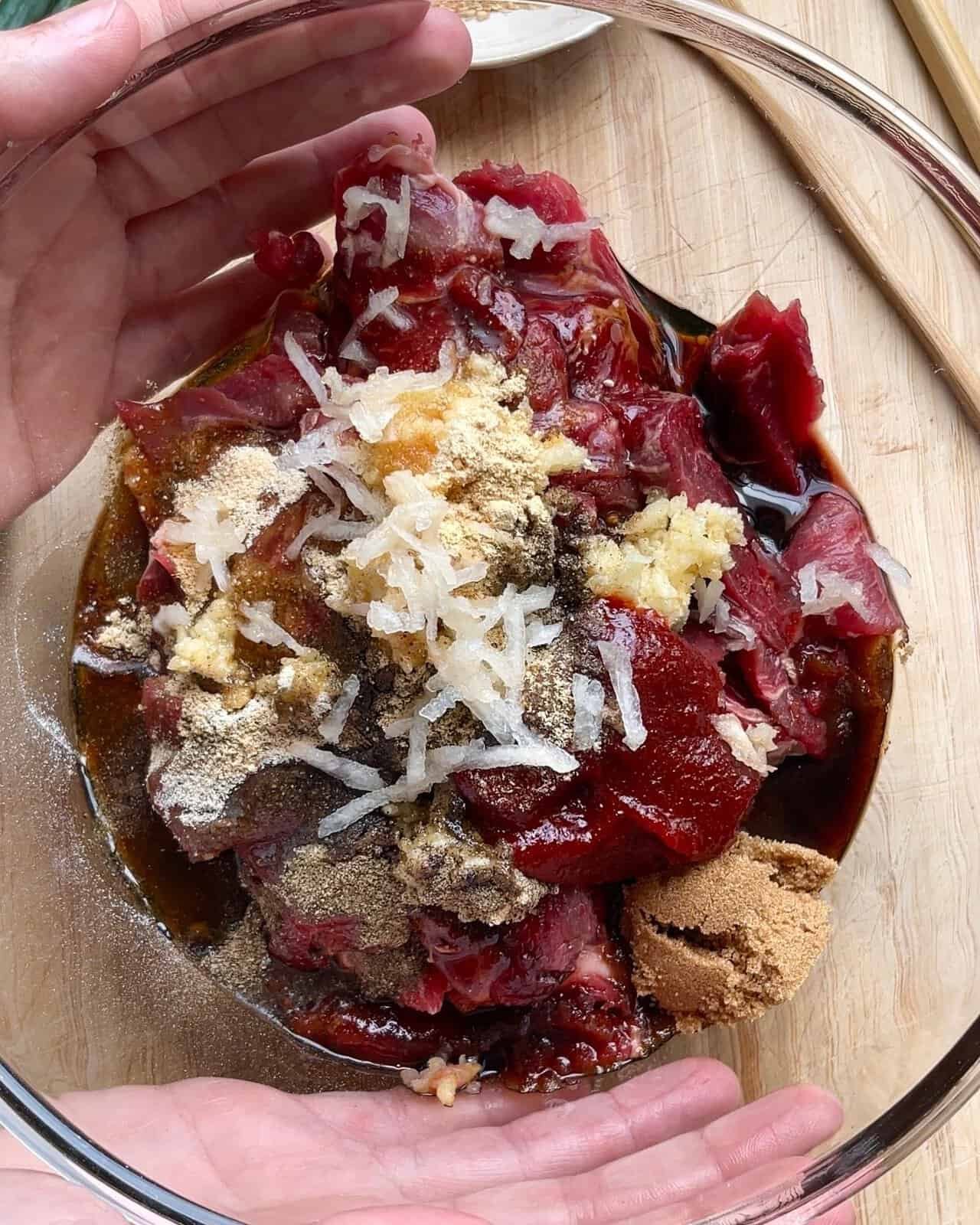
- In a bowl, whisk together soy sauce, dark soy sauce, brown sugar, honey, sesame oil, vegetable oil, garlic, ginger, onion powder, grated Asian pear (or apple), rice vinegar, black pepper, and gochujang until smooth and glossy.
2. Marinate the beef
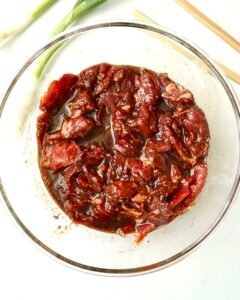
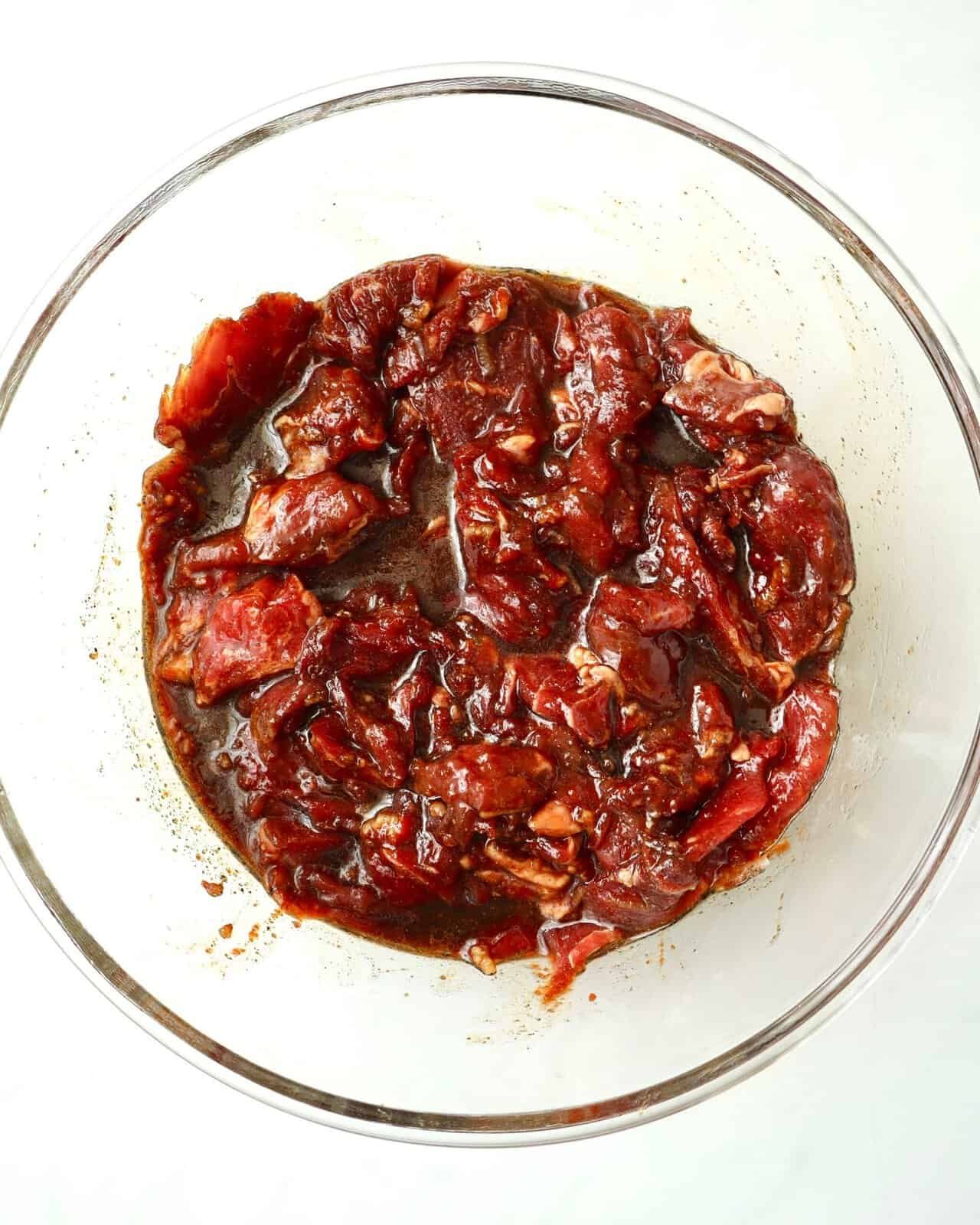
- Add the sliced beef and mix well until fully coated. Cover and marinate for at least 30 minutes or a few hours if you have time.
3. Cook the rice:
- Rinse the jasmine or basmati rice under cold water until the water runs mostly clear. Add the rice, water, and salt to a pot. Bring to a boil over medium-high heat, then reduce to low, cover, and simmer for 15–18 minutes or until the water is absorbed. Remove from heat and let it sit covered for 5–10 minutes, then fluff with a fork.
4. Prepare your toppings:
- While the rice cooks, prepare the shredded carrots, sliced cucumber, sliced avocado, kimchi, green onions, and sesame seeds.
5. Cook the beef:
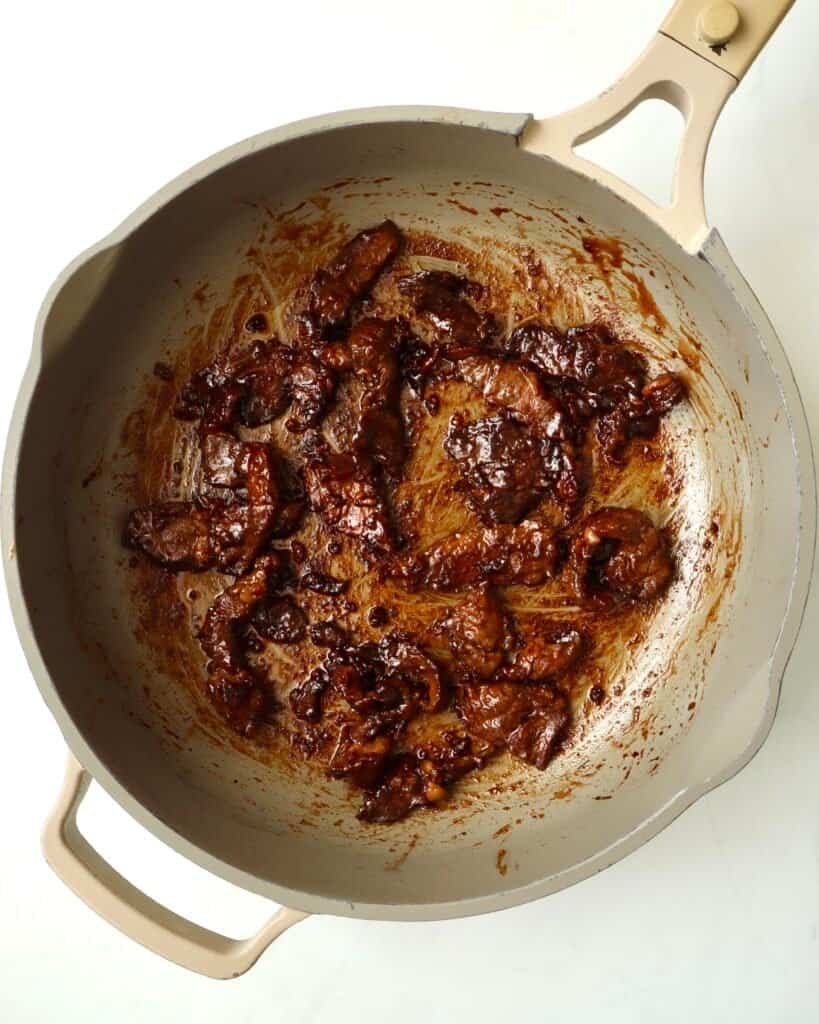
- Heat a large skillet or cast iron pan over medium-high heat. Add the marinated beef in batches, making sure not to overcrowd the pan. Cook for 2–4 minutes per side until the beef is caramelized, slightly charred around the edges, and cooked through.
6. Assemble the bowls:
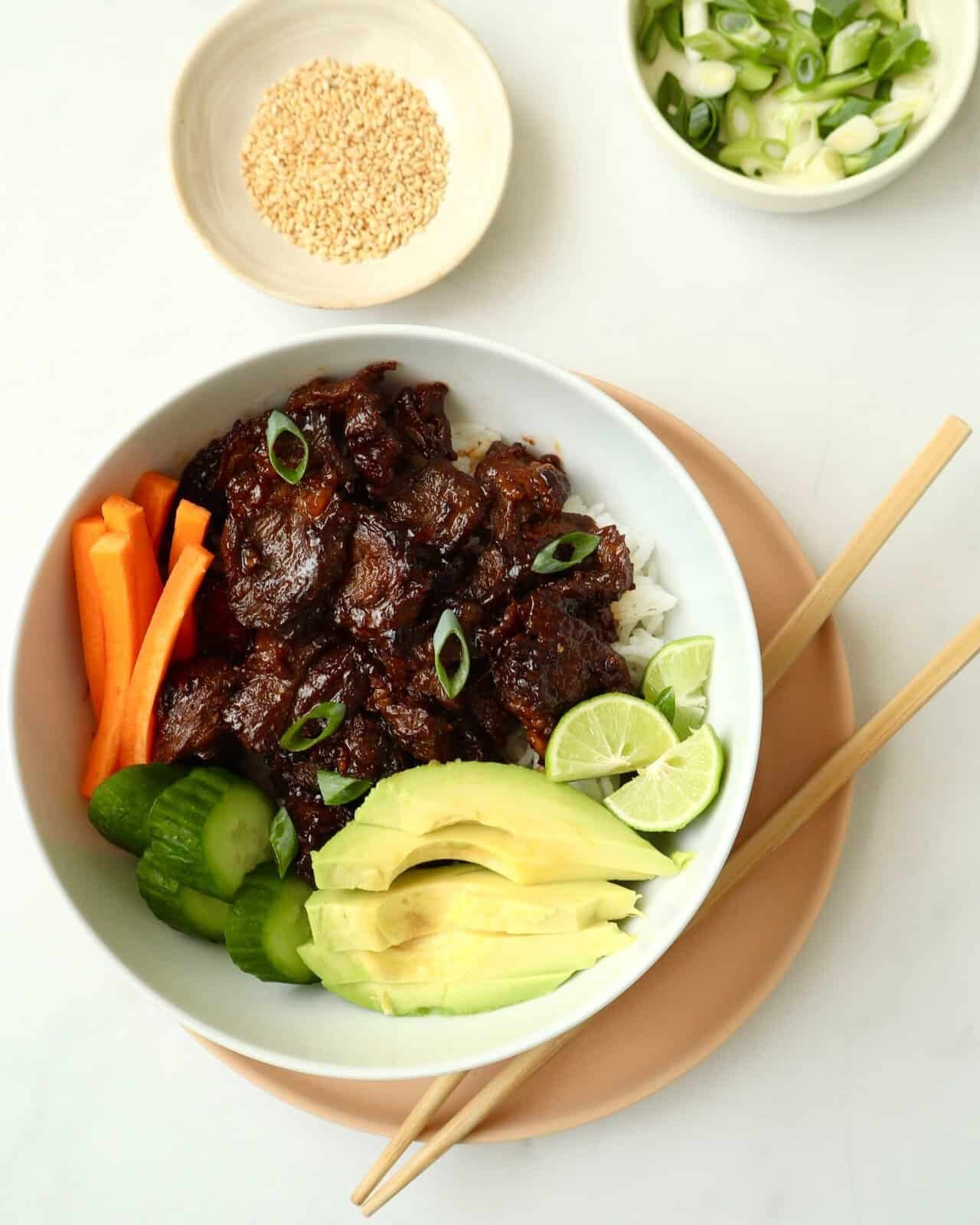
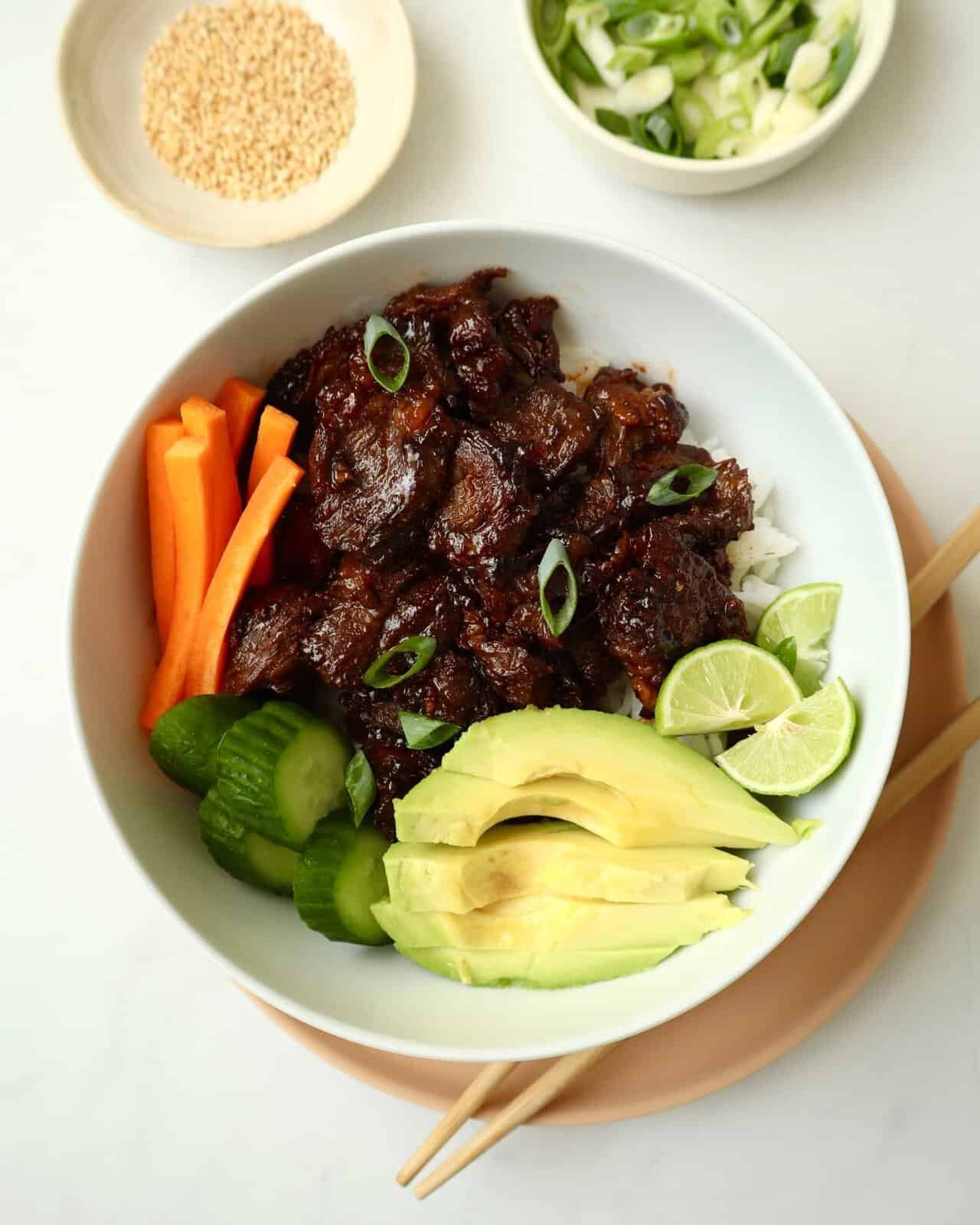
- Divide the cooked rice evenly among serving bowls. Top with the cooked bulgogi, shredded carrots, cucumber, avocado, kimchi, and green onions.
- Sprinkle with sesame seeds and drizzle with spicy mayo or extra gochujang sauce if desired. Add pickled vegetables, edamame, or lettuce wraps on the side and serve immediately.
Scroll down for the full recipe card…
Substitutions
Tips for the Best Korean Beef Bulgogi Rice Bowl
FAQ
Is Korean beef bulgogi spicy?
Traditionally mild, but this gochujang version has a medium spicy kick. Adjust based on taste.
What rice is best for bulgogi bowls?
Jasmine rice, basmati rice, or short-grain white rice all work well.
What cut of beef is best for bulgogi?
Ribeye is best for tenderness and flavor, but sirloin or flank steak also works well.
Can I make this ahead of time?
Yes! Store the cooked beef and rice separately and assemble when ready to eat.
Can I use a regular pear or apple instead of Asian pear?
Yes. A sweet apple (like Fuji or Gala) is the best substitute and works almost the same for sweetness and tenderizing. Regular pear also works, just a bit softer.
Storage & Meal Prep
Store leftovers in airtight containers in the fridge for up to 3–4 days. For best texture, keep the beef, rice, and toppings stored separately.
Reheat the beef in a skillet for the best caramelization and flavor. Rice can be microwaved with a splash of water to keep it fluffy.
You can also freeze the marinated raw beef for up to 2 months. This is one of the best meal prep rice bowl recipes because everything can be prepped ahead for quick lunches or dinners.
Related
If you like this recipe, you’ll also love:


Pairing
If you want to make these bowls even more filling or turn dinner into a full Korean-inspired feast, there are plenty of delicious side dishes you can serve alongside them. For a classic Korean BBQ-style meal, pair your Korean Beef Bulgogi Rice Bowl with tangy kimchi or quick pickled vegetables to balance the rich, caramelized beef.
If you want something fresh and light, try serving them with a cucumber salad or steamed and chilled edamame. You can also add comforting sides like miso soup.
Korean Beef Bulgogi Rice Bowls
Ingredients
For the Beef Bulgogi
- 1.5 pounds ribeye or sirloin thinly sliced
Marinade
- ⅓ cup light soy sauce
- 1½ tsp dark soy sauce
- 1½ tbsp rice vinegar
- 1 tbsp sesame oil
- 1 tbsp vegetable oil
- 3½ tbsp brown sugar
- 1½ tbsp honey
- 5-6 garlic cloves minced
- 1½ tsp fresh ginger, grated (or ½ tsp ground ginger)
- 1½ tsp onion powder
- 1½ tbsp Asian pear or apple grated
- 1-2 tbsp gochujang adjust to spice level
- 1¼ tsp black pepper
For the Rice Bowls
- 2 cups uncooked jasmine rice or basmati rice
- 4 cups water
- 1 tsp salt
Optional Toppings
- carrots shredded
- cucumber sliced
- avocado sliced
- kimchi
- green onions sliced
- sesame seeds
- spicy mayo
- extra gochujang sauce
- pickled vegetables
- edamame
- lettuce leaves for wraps
Instructions
- In a large bowl, whisk together the light soy sauce, dark soy sauce, rice vinegar, sesame oil, vegetable oil, brown sugar, honey, minced garlic, grated ginger, onion powder, grated Asian pear (or apple), gochujang, and black pepper until smooth and well combined.
- Add the thinly sliced ribeye or sirloin to the marinade and toss until fully coated. Cover and refrigerate for at least 30 minutes, or up to a few hours for more flavor.
- Rinse the jasmine or basmati rice under cold water until the water runs mostly clear. Add the rice, water, and salt to a pot. Bring to a boil over medium-high heat, then reduce to low, cover, and simmer for 15–18 minutes or until the water is absorbed. Remove from heat and let it sit covered for 5–10 minutes, then fluff with a fork.
- While the rice cooks, prepare the shredded carrots, sliced cucumber, sliced avocado, kimchi, green onions, and sesame seeds.
- Heat a large skillet or cast iron pan over medium-high heat. Add the marinated beef in batches, making sure not to overcrowd the pan. Cook for 2–4 minutes per side until the beef is caramelized, slightly charred around the edges, and cooked through.
- Divide the cooked rice evenly among serving bowls. Top with the cooked bulgogi, shredded carrots, cucumber, avocado, kimchi, and green onions.
- Sprinkle with sesame seeds and drizzle with spicy mayo or extra gochujang sauce if desired. Add pickled vegetables, edamame, or lettuce wraps on the side and serve immediately.
Notes
- Slice beef very thin (freeze 20–30 minutes for easier cutting).
- Cook in batches to get proper caramelization, not steaming.
- Marinate at least 30 minutes, longer for deeper flavor.
- Adjust gochujang to control spice level.
- Ribeye is best, but sirloin or flank steak works well too.
Food Safety
- Don’t leave chicken or marinade out for more than 1–2 hours.
- Cook chicken to 74°C (165°F) using a Meat Thermometer.
- Don’t reuse raw marinade unless boiled first.
- Wash hands, knives, and cutting boards after handling raw chicken.
Follow safe storage and handling tips from USDA.